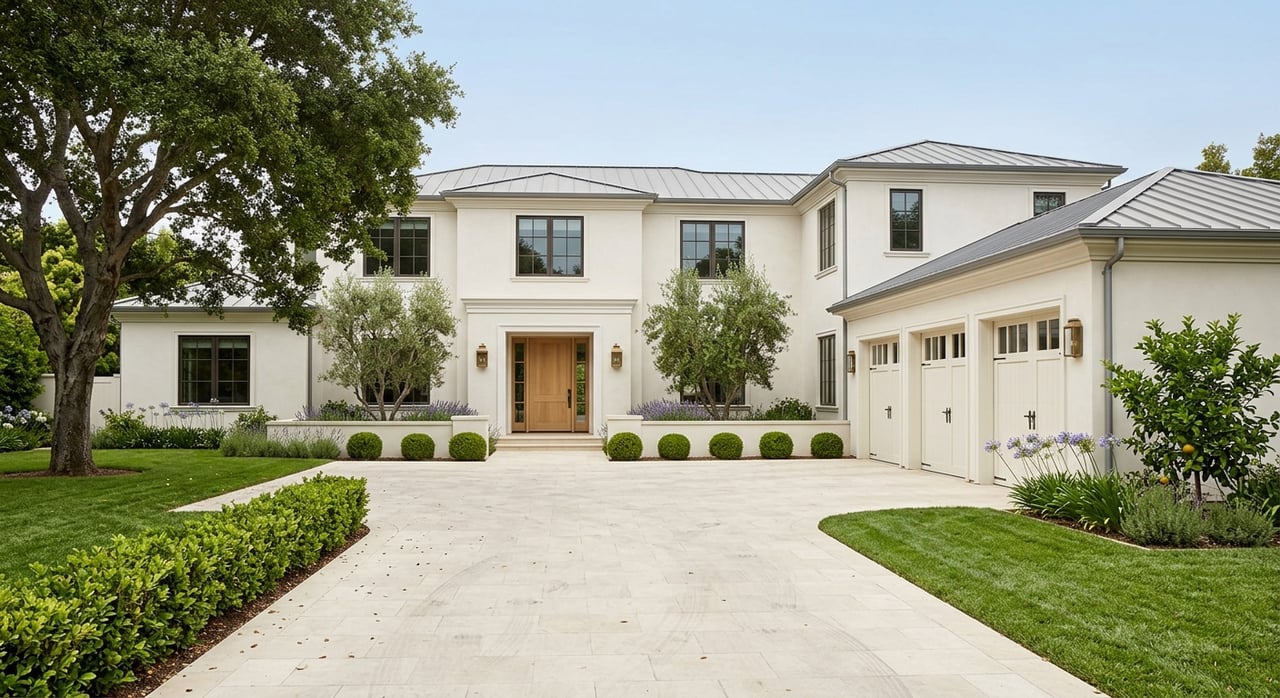
Curious what people really mean when they say an Arcadia home is in an “estate-style” neighborhood? In Arcadia, that phrase usually points to a certain feel: larger lots, more breathing room, mature trees, and custom homes that sit comfortably within the street. If you are planning a move, comparing neighborhoods, or preparing to sell a larger property, this guide will help you understand what sets these areas apart and what to look for before you make a decision. Let’s dive in.
What “estate-style” means in Arcadia
In Arcadia, “estate-style” is not a formal zoning label. It is more of a buyer shorthand for neighborhoods that often have larger lots, deeper setbacks, established landscaping, and a more custom look than a typical tract area.
In city planning terms, the closest match is usually found in Residential Estates and Very Low Density Residential designations. Arcadia’s General Plan describes Residential Estates lots as 22,000 square feet or larger, while Very Low Density Residential lots are generally 10,000 to 22,000 square feet or larger. The city also notes that some single-family HOA-overlay areas in R-M, R-0, and R-1 zones can carry the same estate-style feel.
That distinction matters because two homes in the same city can offer a very different sense of space. Arcadia’s Low Density Residential areas are typically 7,200 to 10,000 square foot lots, so lot pattern alone can change how a block feels in terms of privacy, scale, and street presence.
Why these neighborhoods feel different
Arcadia’s planning policies put a strong focus on preserving its community-of-homes identity. The city specifically calls out mature trees, compatible neighborhood scale, and development that fits the surrounding context.
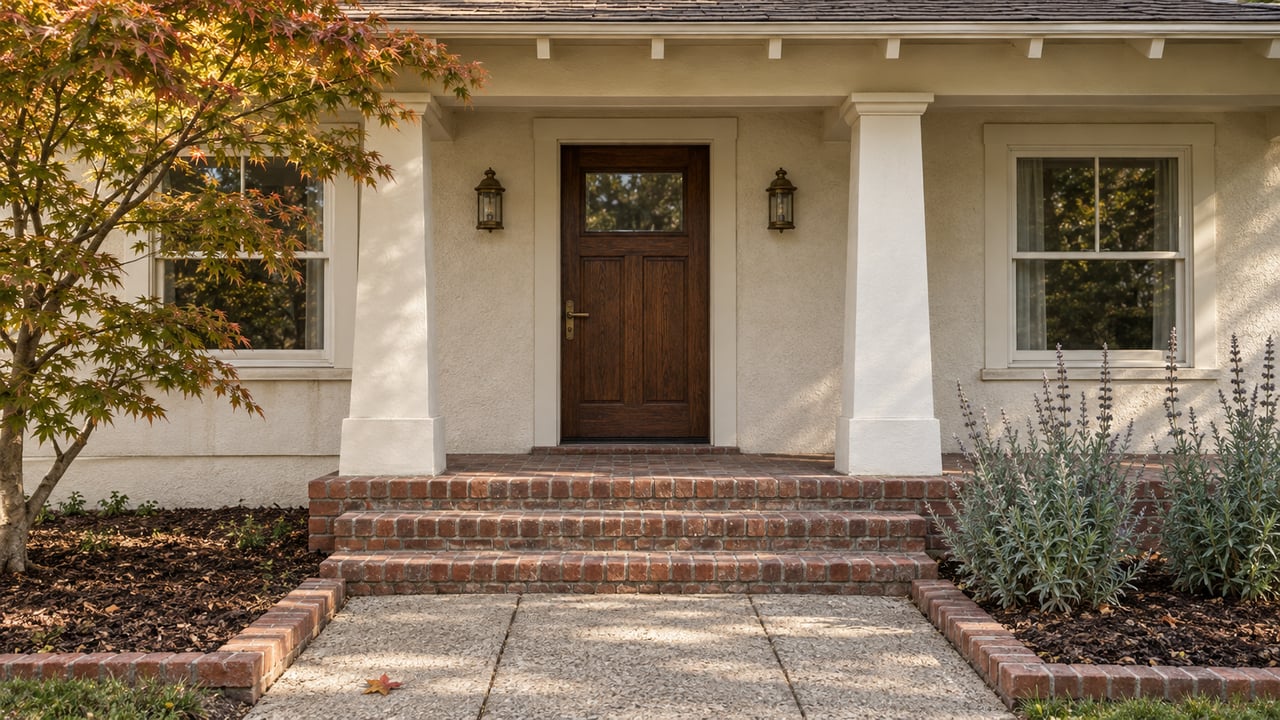
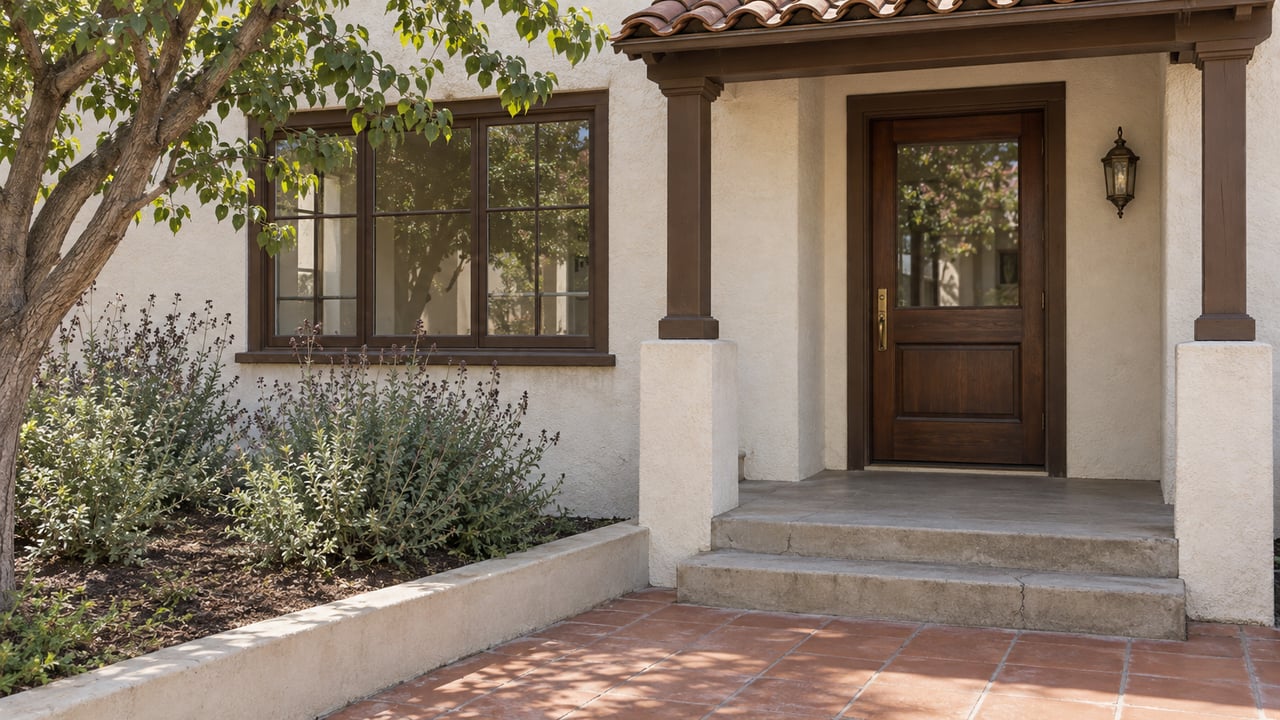
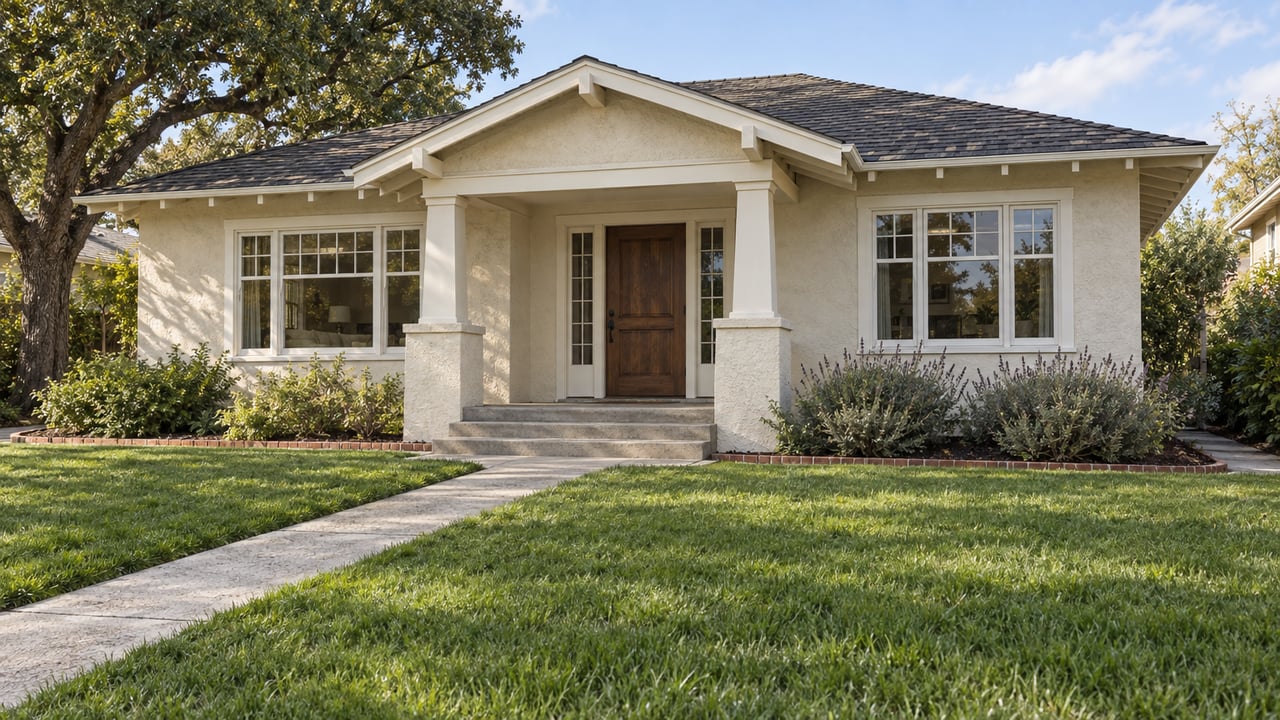
That is why many of Arcadia’s estate-style areas feel more settled and more varied than standard subdivisions. You are often seeing deeper front yards, more tree canopy, and homes that were built or remodeled over time rather than all at once.
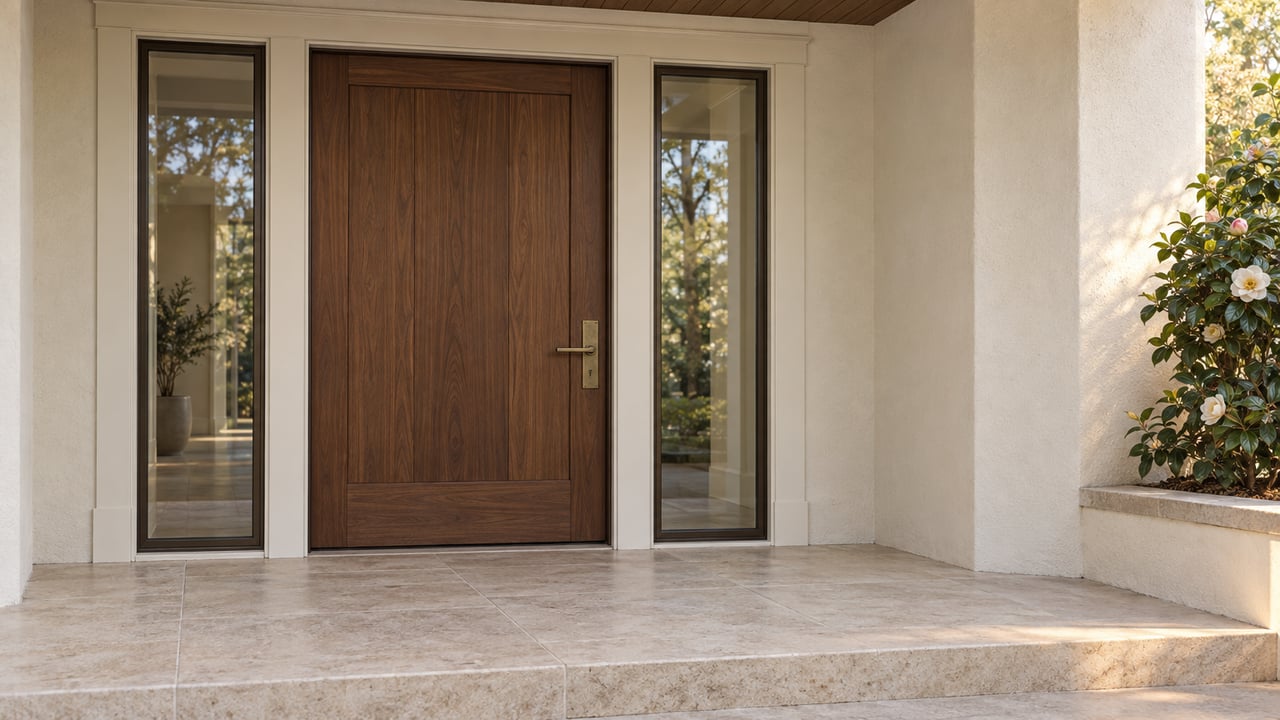
The city’s design guidelines also shape that look. They require compatible massing, restrained front entries, garages that are set back or tucked away, consistent style, compatible colors and materials, and preservation of topography and mature trees where possible.
The history behind Arcadia’s estate areas
A lot of Arcadia’s estate-like character traces back to Rancho Santa Anita. According to the city’s historic inventory, the 1930s subdivision of about 1,300 acres created Santa Anita Village, the Rancho, the Upper Rancho, Santa Anita Gardens, and Colorado Oaks.
The General Plan adds useful context. It notes that northern and western single-family subdivisions spread through the 1920s and 1930s, while later southern growth included one-acre ranches and mid-century development.
For you as a buyer or seller, that history helps explain why these neighborhoods can feel distinct from one another. Some streets reflect early subdivision patterns and long-established landscaping, while others show more mid-century influence or later custom rebuild activity.
Arcadia estate-style neighborhoods buyers often explore
Arcadia Highlands
Arcadia Highlands is a city-recognized HOA neighborhood in the northeast section of the city. The HOA says it represents about 850 homes and that the area was primarily developed in the 1950s and 1960s.
The neighborhood is often associated with California ranch-style homes, mature trees, and limited through-traffic. The HOA also notes that some homes have city-light views, which adds to the appeal for buyers looking for a more tucked-away setting within Arcadia.
Rancho Santa Anita and Upper Rancho
Rancho Santa Anita and Upper Rancho are closely tied to Arcadia’s larger estate story. The Rancho Santa Anita Property Owners’ Association says the area includes Anoakia, the estate built in 1913 for Anita Baldwin, and that the association dates back to 1945.
Arcadia’s historic inventory identifies Upper Rancho as one of the residential subdivisions created from the larger Rancho Santa Anita land sale in the 1930s. City code places the association area north of Foothill, west of Baldwin, east of Michillinda, and south of Orange Grove, and the city recognizes it as an HOA area with Architectural Review Board authority.
Santa Anita Oaks and Santa Anita Village
Santa Anita Oaks and Santa Anita Village are also among the areas buyers commonly associate with Arcadia’s estate-style character. City code places Santa Anita Oaks north of Foothill, west of Santa Anita, east of Baldwin, and south of Orange Grove.
Santa Anita Village sits north of Huntington, west of Baldwin, east of Michillinda, and generally south of Hugo Reid. These neighborhoods are among the city-recognized HOA areas with additional architectural review, roof guidance, and design standards.
What to expect from lot size and layout
One of the biggest differences you may notice in these neighborhoods is the land itself. Larger lots often create a different rhythm on the street, with more distance between homes, deeper setbacks, and more room for landscaping.
That does not mean every property will feel the same. Arcadia’s estate-style label covers a range of lot sizes and neighborhood patterns, from Very Low Density Residential areas to larger HOA-overlay neighborhoods governed by specific standards.
If you are comparing homes, it helps to look beyond the house square footage. In Arcadia, lot size, yard depth, driveway placement, and tree canopy can all affect how a property lives day to day.
Architecture and design character
Arcadia does not require one single architectural style for estate-style areas. Instead, the city’s approach is about fit and compatibility.
That means variety is normal, but the expectation is that the home should work with its surroundings. The General Plan highlights the importance of compatible massing, front entries that do not dominate the facade, garages that are tucked away or set back, and materials and colors that fit the context of the block.
This is especially important in renovation-heavy areas. The city notes that many homes built in the 1980s and 1990s lacked coherent style, which is part of why design compatibility remains such a key issue today.
In places like Arcadia Highlands, you may see a stronger concentration of California ranch-style homes. In other estate-style pockets, the visual character tends to be more custom and varied, but still expected to feel harmonious rather than oversized or out of place.
Trees, topography, and neighborhood feel
Mature trees are a major part of Arcadia’s identity, and that is especially true in its estate-style neighborhoods. The city has been recognized as a Tree City USA community since 1993 and has policies that support preservation of neighborhood canopy.
Arcadia also protects oak and sycamore trees. In HOA areas, tree-removal plans must go through the HOA Architectural Review Board before the city application process.
For buyers, this matters because landscaping is not just cosmetic here. Tree coverage, topography, and site layout can shape privacy, shade, curb appeal, and future renovation plans.
Why HOA and ARB rules matter
Before you make an offer in one of Arcadia’s estate-style neighborhoods, it is smart to confirm whether the property sits within a recognized HOA area. In Arcadia, city-recognized HOAs can have Architectural Review Board authority, which may affect exterior changes.
That can include review of certain roof changes, materials, and other visible design elements. Depending on the neighborhood, the applicable standards may differ based on the zoning and whether the property is in an HOA or non-HOA area, including different floor-area rules north and south of Huntington Drive.
This is one of the biggest reasons due diligence matters in Arcadia. A home may look move-in ready, but if you plan to remodel, expand, or alter exterior features, review requirements can become a meaningful part of your timeline and budget.
Daily convenience in Arcadia
Arcadia’s estate-style neighborhoods are not just about larger lots. They also benefit from the city’s location in central Los Angeles County at the foot of the San Gabriel Mountains.
The city describes Arcadia as centrally located in the San Gabriel Valley, with access to Downtown Los Angeles, Pasadena, Long Beach, the San Fernando Valley, and the Inland Empire. Regional access via the I-210 also supports commuting and day-to-day mobility.
Arcadia Transit’s Green Line connects the Arcadia Metro Rail Station with Santa Anita Park, City Hall, USC Arcadia Hospital, The Shops at Santa Anita, and the Los Angeles County Arboretum. Other well-known civic destinations include the Arcadia Public Library on West Duarte Road.
Smart buyer due diligence
If you are shopping in Arcadia’s estate-style neighborhoods, due diligence should go beyond the usual checklist. These areas often involve more variables tied to lot size, exterior review, and neighborhood character.
A few smart steps include:
- Verify the property’s zoning and General Plan context
- Confirm whether the home is inside a city-recognized HOA area
- Ask whether the HOA has Architectural Review Board oversight
- Review any rules that may affect roofs, additions, tree work, or exterior updates
- Check school assignment boundaries by address through Arcadia Unified, since the district says its map is only a general guide
- Consider how lot size, setbacks, and tree canopy may affect future plans
For sellers, these same points can shape how your home is presented to buyers. Clear information about lot size, neighborhood review standards, and the property’s setting can help position the home more effectively from the start.
What sellers should know
If you own a home in one of Arcadia’s estate-style areas, your property may compete on more than just interior finishes. Buyers often pay close attention to the features that define these neighborhoods, including lot size, street character, mature landscaping, and how well the home fits the surrounding block.
That means preparation matters. A thoughtful pricing strategy, polished presentation, and clear communication about neighborhood context can help buyers understand the value they are seeing.
For higher-value homes, that process benefits from local knowledge and careful execution. In a market like Arcadia, small details about location, review rules, and architectural fit can influence buyer confidence.
If you are thinking about buying or selling in Arcadia, working with a local team that understands neighborhood nuance can make the process much smoother. Joy Realty Group offers personalized guidance, clear communication, and high-touch support for clients navigating Arcadia and the broader San Gabriel Valley.
FAQs
What does “estate-style” mean in Arcadia real estate?
- In Arcadia, “estate-style” is an informal buyer term that usually refers to neighborhoods with larger lots, deeper setbacks, mature trees, and more custom home design than standard tract areas.
Which Arcadia neighborhoods are commonly considered estate-style?
- Buyers often look at Arcadia Highlands, Rancho Santa Anita, Upper Rancho, Santa Anita Oaks, and Santa Anita Village when exploring Arcadia neighborhoods with estate-style character.
Are Arcadia estate-style neighborhoods always in one zoning category?
- No. Estate-style areas in Arcadia can relate to Residential Estates, Very Low Density Residential, and some HOA-overlay single-family areas in R-M, R-0, and R-1 zones.
Why do HOA rules matter in Arcadia neighborhoods?
- In some city-recognized Arcadia HOA areas, an Architectural Review Board may review items such as roof changes, tree-removal plans, and other exterior elements, so it is important to confirm requirements before buying or remodeling.
How should buyers verify school boundaries in Arcadia?
- Arcadia Unified says its boundary map is only a general guide, so buyers should verify school assignment by property address before making an offer.