If you want a Southern California lifestyle with fewer car trips, South Pasadena deserves a close look. This small city packs a lot into just 3.5 square miles, and its planning priorities clearly support more walking, easier access to daily errands, and better use of transit. If you are hoping to live near shops, parks, schools, and the Metro A Line without relying on your car for every outing, this guide will help you narrow your search. Let’s dive in.
Why South Pasadena Works for Car-Light Living
South Pasadena is compact, central, and set up better for walking than many suburban communities nearby. Walk Score currently rates it at 67 for walking, 50 for transit, and 51 for biking, which points to a city where car-light living is realistic in the right areas, even if fully car-free living may still be a stretch for many households.
The city’s planning documents also make that direction clear. South Pasadena says growth is being directed toward downtown and established corridors with shopping, services, and public transportation to support a more pedestrian-oriented environment where residents do not have to depend on a car for daily trips.
Best Areas for Walkable Living
Downtown South Pasadena
If walkability is your top priority, Downtown South Pasadena is the clearest first choice. The city’s Downtown Specific Plan guides future growth here while preserving historic assets, supporting local businesses, and shaping new residential, office, and retail development.
For you as a buyer, that matters because downtown already lines up with the basics of car-light living. You are closer to cafés, shops, services, and transit, and the city specifically points residents toward downtown, transit stops, Fair Oaks, and the Mission District when thinking about walkable housing locations.
This area is the best fit if you want to step out your door and have more of your routine within easy reach. Downtown condos, apartments over retail, townhomes, and small multifamily buildings are often the most natural property types to target when walkability comes first.
Library Park, Oxley, and El Centro
If you want a quieter residential setting but still want to walk to key errands and amenities, Library Park, Oxley, and El Centro are worth shortlisting. Library Park surrounds the public library and includes meandering walkways and bicycle racks, which adds to the neighborhood’s everyday usability.
The city’s housing element specifically notes that the Mound/Oxley area is close to amenities and would encourage walkability and public transit use. That makes this pocket a strong middle ground for buyers who want a more residential feel without giving up convenient access to central South Pasadena.
This area may appeal to you if you want neighborhood streets and a calmer rhythm while staying near downtown connections. It is a practical option for buyers who want to keep many trips short and manageable on foot.
Garfield Park, Marengo, and Park Avenue
For buyers focused on park access and central location, Garfield Park, Marengo, and Park Avenue stand out. Garfield Park is a 7-acre neighborhood park with a walking path, tennis courts, playgrounds, and community gathering space, all within a residential setting.
The city’s housing element also identifies Garfield Park and central South Pasadena as having the city’s highest jobs-proximity scores. In practical terms, that central placement can support shorter daily trips and easier routines.
Marengo Elementary is also located on Marengo Avenue, and South Pasadena’s school locations tend to reinforce the same central pockets that already work well for walking. If you are trying to balance school trips, park time, and day-to-day convenience, this is one of the strongest areas to explore.
Transit Makes the Lifestyle Easier
Walkability is only part of the equation. A car-light lifestyle works better when walking connects naturally to transit, and South Pasadena has an important advantage here with the Metro A Line.
The South Pasadena station gives you a practical transit option for trips that go beyond the neighborhood. Metro also notes that the station sits adjacent to the 626 Golden Streets open-streets route, which signals that the city has a stronger bike-and-walk culture than simple sidewalk coverage alone might suggest.
If your goal is to reduce how often you drive, living near the station or along downtown and Mission-area corridors can make a noticeable difference. You may still keep a car, but you could use it more selectively instead of for every single errand or outing.
Biking and Parks Support Daily Routines
South Pasadena’s Bicycle Master Plan is designed to make biking a viable transportation option, especially when combined with public transit. That matters if you are looking beyond basic walkability and thinking about how to handle slightly longer local trips without defaulting to a car.
Parks also play a real role in making a neighborhood feel livable on foot. The city says South Pasadena has 92.2 acres of parks, and places like Library Park and Garfield Park help support a routine where recreation, reading, play, or a quick outdoor break can happen close to home.
For some residents, the city’s Dial-A-Ride service can also help fill occasional gaps. South Pasadena offers it for residents over 55 and residents with disabilities, which can be a helpful backup for local trips even though it is not the main foundation of a car-light lifestyle.
Property Types to Prioritize
Not every home type supports walkable living equally well. In South Pasadena, the city’s planning documents point to downtown, Mission Street, Fair Oaks, and commercial or mixed-use areas as the places where growth and walkability align most clearly.
That means buyers who want a car-light lifestyle should often start with:
- Condos near downtown
- Townhomes in central locations
- Apartments over retail
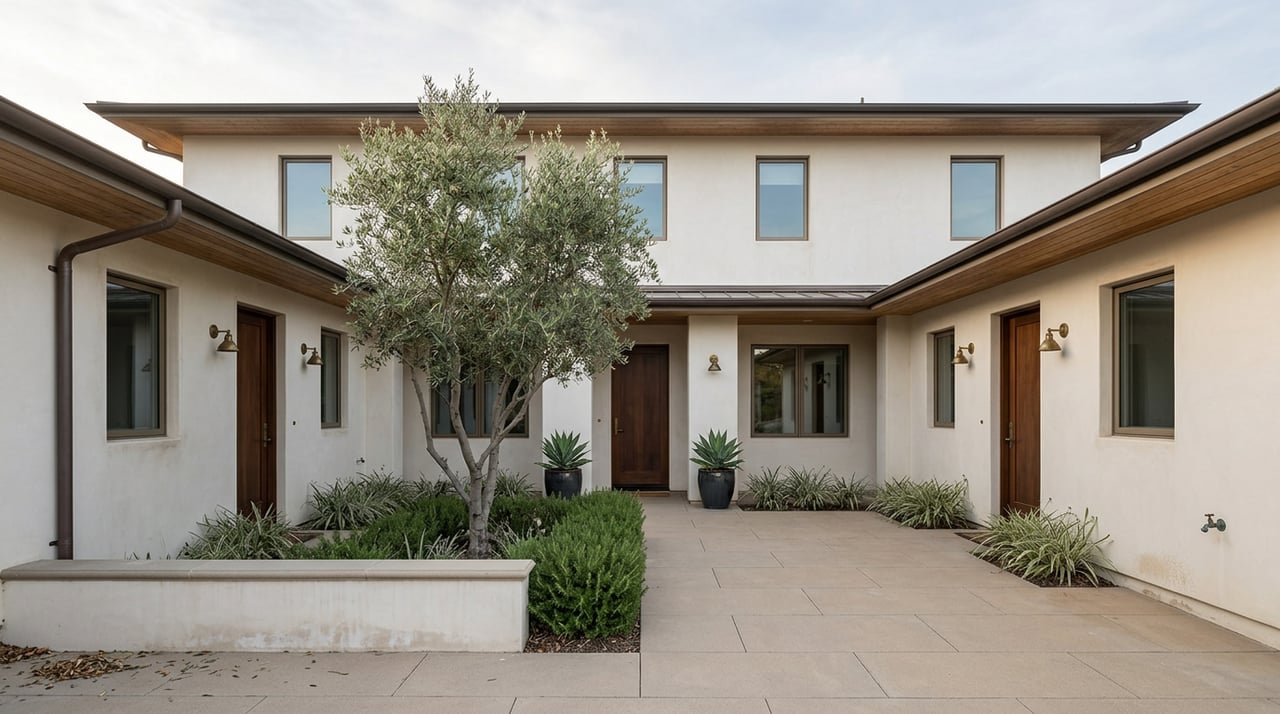
- Small multifamily or courtyard-style buildings in walkable pockets
- Mixed-use or residential options near transit corridors
The city also notes that dense, walkable courtyard multifamily buildings already exist in South Pasadena. If your priority is convenience over lot size, these property types may offer the strongest match.
How Schools Shape the Search
If school trips are part of your daily routine, central South Pasadena becomes even more important. South Pasadena Unified says it serves about 4,700 to 4,800 students across five schools, and home school placement is based on attendance-area boundaries using a School Locator by Street.
The district states that South Pasadena residents’ children are guaranteed a spot in one of the three elementary schools, with placement determined by attendance boundaries. The schools are Arroyo Vista Elementary at 335 El Centro St., Marengo Elementary at 1400 Marengo Ave., Monterey Hills Elementary at 1624 Via Del Rey, South Pasadena Middle School at 1500 Fair Oaks Ave., and South Pasadena High School at 1401 Fremont Ave.
According to the city’s housing element, nearly all parcels in South Pasadena are within a mile of an elementary school, and the middle and high schools are centrally located. For buyers trying to reduce school drop-off driving, that supports the same central neighborhoods already favored for walkability and transit access.
A Simple Shortlist for Buyers
If you want to keep your home search focused, start here:
- Most walkable: Downtown, Mission Street, and the South Pasadena Station area
- Best quieter but walkable pocket: Library Park, Oxley, and El Centro
- Best for park and central school access: Garfield Park, Marengo, and Park Avenue
These three clusters align best with the city’s own planning language around walkable places, downtown investment, transit access, and central daily amenities. If your goal is car-light living, they give you the strongest starting point.
What to Keep in Mind
A car-light lifestyle in South Pasadena is very possible, but it works best when your home location matches your day-to-day habits. The closer you are to downtown, Mission Street, Fair Oaks, parks, and transit, the easier it becomes to turn walking into part of your normal routine.
You also want to think about your real priorities. If you want the shortest walk to shops and Metro, downtown is likely your best fit. If you want a more residential feel, Library Park and Oxley may be the better balance. If parks and school access are higher on your list, Garfield Park and nearby central streets deserve a hard look.
If you want help identifying the South Pasadena blocks, property types, and price points that best match your version of walkable living, Joy Realty Group can help you build a focused, neighborhood-level search.
FAQs
Which part of South Pasadena is most walkable for daily errands?
- Downtown South Pasadena, especially around Mission Street and the South Pasadena Station area, is the strongest choice for walkable, car-light living based on the city’s planning priorities and access to shops, services, and transit.
Is South Pasadena a good city for living with less driving?
- Yes. South Pasadena’s compact size, Walk Score ratings, Metro A Line access, and city planning focus on pedestrian-oriented growth make it one of the better local options for reducing everyday car use.
Which South Pasadena area feels more residential but still walkable?
- The Library Park, Oxley, and El Centro area is a strong option if you want a quieter residential pocket while staying close to amenities and central South Pasadena destinations.
Which South Pasadena neighborhood is best for park access?
- The Garfield Park, Marengo, and Park Avenue area stands out for buyers who want nearby park space, central location, and easier access to daily routines.
What home types work best for walkable living in South Pasadena?
- Condos, townhomes, apartments over retail, courtyard-style multifamily buildings, and homes near downtown or transit corridors are often the most practical property types for a car-light lifestyle in South Pasadena.
How does transit support car-light living in South Pasadena?
- The Metro A Line serves South Pasadena, and living near the station or central corridors can make it easier to handle commuting or regional trips without driving every time.
How do school locations affect walkable home searches in South Pasadena?
- Because elementary schools are spread across the city and the middle and high schools are centrally located, central South Pasadena neighborhoods can be especially useful if you want to reduce driving for school-related trips.