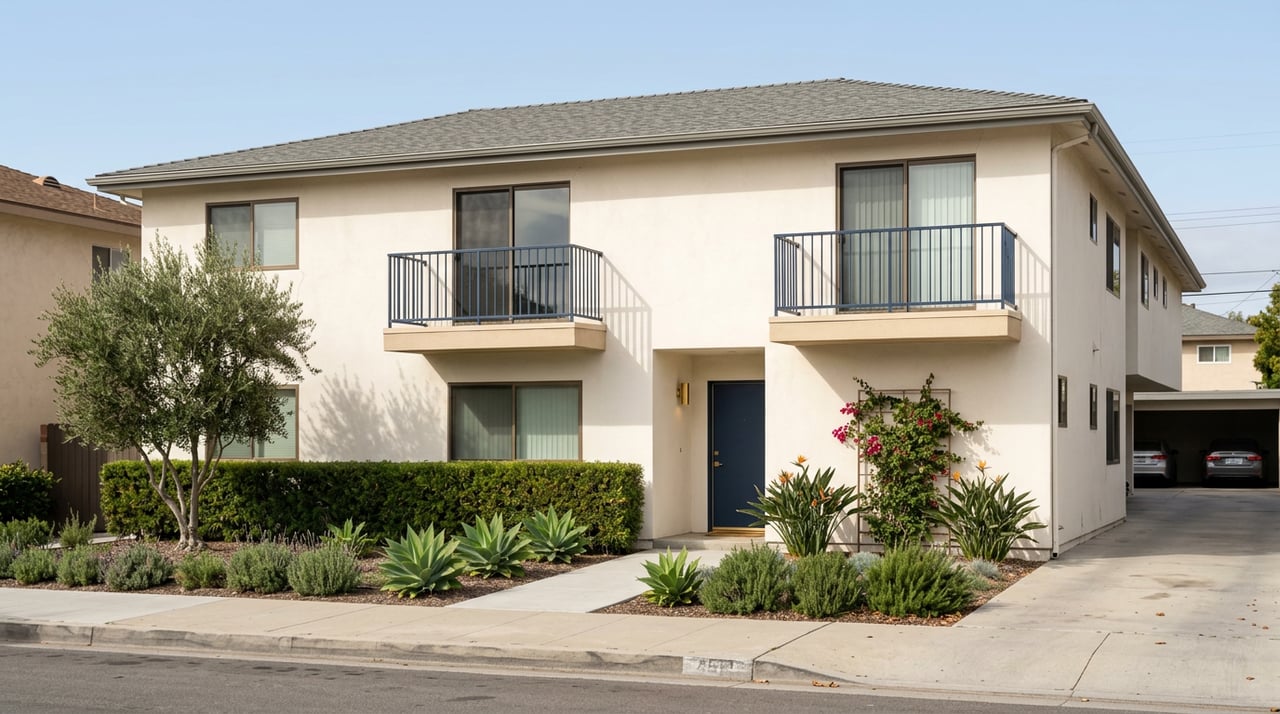
Thinking about selling a small apartment building in Arcadia’s 91006? Pricing it right is more than picking a number. Investor buyers use income math and local rules to judge value, and the best offers go to sellers who speak that language. In this guide, you’ll learn how to build a defensible price, prepare the documents lenders expect, market to real buyers, and navigate closing. Let’s dive in.
Arcadia basics that shape price
Arcadia does not have a city rent control ordinance. Statewide tenant protections may still apply depending on your building’s age and ownership structure, so you should review local housing resources and confirm exemption status and notices. You can find current city housing information on the City of Arcadia’s housing page for context on local policy and resources. See the city’s housing resources page for updates and links to program guidance: Arcadia housing assistance resources.
If you collected security deposits for tenancies that began on or after July 1, 2024, Assembly Bill 12 changed deposit limits with certain small‑owner exceptions. Buyers and lenders will ask for a complete security‑deposit ledger to confirm compliance and transfer amounts at closing. Review the current statute text here: AB 12 security deposits.
When estimating market rent, know that public rent sites report different medians based on limited samples. Instead of relying on a single figure, build a small rent comp set for your unit types and condition. A local broker can help you verify real in‑place and achievable rents by unit size.
Price it like an investor
Investors buy income. That means your price should start with net operating income (NOI) and a market cap rate, with a quick cross‑check using GRM.
- Gross Scheduled Rent minus vacancy and concessions plus other income (parking, laundry) equals Effective Gross Income (EGI).
- NOI equals EGI minus operating expenses.
- Value equals NOI divided by cap rate.
- GRM equals Price divided by Gross Scheduled Rent.
Keep two views handy. Show buyers your current, actual NOI and a stabilized pro forma if there is a clear, supportable path to market rents.
Cap rates in Los Angeles
Recent Los Angeles multifamily reports suggest lower cap rates for Class A and core assets and higher cap rates for small or value‑add properties, depending on condition and rent control exposure. Use multiple sources to triangulate a realistic band for your property type. To get grounded in current regionwide trends, see CBRE’s Los Angeles Multifamily Figures.
Small 2 to 14 unit buildings often trade at a modest spread above large institutional properties because of liquidity and buyer profile. Expect investor expectations to adjust for size, condition, and financing terms.
Set a target price range
- Build your T‑12 based pro forma. Start with a reconciled rent roll and trailing‑12 income and expenses. Include other income and realistic vacancy.
- Pick a cap‑rate band. Use recent broker research for assets similar in size, location, and condition. Apply a range, not a single point.
- Calculate value. Divide current NOI by your cap‑rate range to get a pricing band. Run the same math using a carefully supported stabilized NOI if there is mark‑to‑market upside.
- Cross‑check DSCR. Many buyers finance. Lenders look for a Debt Service Coverage Ratio in the 1.20 to 1.40 range depending on loan product. See Fannie Mae’s guidance on rental income and underwriting for small residential loans: Fannie Mae rental income guidance.
What buyers and lenders will test
Sophisticated buyers will rebuild your numbers from scratch. Plan for these common adjustments:
- Mark‑to‑market. They will test the gap between in‑place and market rent and model a ramp‑up timeline.
- Vacancy and collections. Underwriting often replaces your historical vacancy with a market assumption.
- Concessions. Free rent or credits reduce effective rent.
- Management fee. Even if self‑managed, buyers underwrite a market fee against EGI.
- Reserves. Many models carry per‑unit reserves for replacements based on age and condition.
- Near‑term capital items. Deferred maintenance and major systems may lead to repair escrows or price adjustments.
Your best defense is a clean rent roll, consistent T‑12, and documentation that confirms the story your numbers tell.
Two to four vs five plus units
- 2 to 4 units. These properties are often financeable with residential loan programs, including owner‑occupant options, and appraisers may use small‑residential forms. That expands your buyer pool to include owner‑occupants and investors. For background on how lenders view rental income for smaller residential loans, see Fannie Mae rental income guidance.
- 5 units or more. Lenders treat these as commercial multifamily. Buyers often use small‑balance or bank programs that emphasize NOI, DSCR, and market cap rate. For an overview of a common program, review Freddie Mac Small Balance Loans.
This split affects who you market to and how you position your price. If your 3 or 4 unit property shows well to an owner‑occupant, that segment may pay a premium for location or unit mix. For 5 plus units, investor math rules every discussion.
Assemble a sell‑ready package
A complete package speeds offers and reduces discounts. Organize a digital deal room before you go to market. Buyers and lenders will expect:
- Current rent roll dated within 30 days. Include unit, bed/bath, tenant name, lease start and end, base rent, deposit, concessions, and utility responsibilities.
- Signed leases for all occupied units. Include recent renewals and note any month‑to‑month terms.
- T‑12 operating statement and two years of federal returns or Schedule E. Buyers will reconcile T‑12 to rent roll.
- Insurance policies, recent utility bills, property tax bill/history, and invoices for major repairs.
- Permits, certificate of occupancy, and a list of any open code issues. Disclose unpermitted work early.
- Security‑deposit ledger with itemized records. AB 12 changed deposit rules beginning July 1, 2024. Have records ready for escrow transfer. See AB 12 security deposits.
- A concise offering memorandum (OM) with clear photos, rent roll summary, T‑12 summary, and a property overview. For a reference list of due diligence items investors expect, review this multifamily due diligence checklist.
Legal disclosures and notices
Your disclosure set depends on unit count and age of construction.
- 1 to 4 units. California’s Transfer Disclosure Statement and related forms typically apply. Review the statutory form language here: California Civil Code 1102.6. Also plan to provide a Natural Hazard Disclosure where applicable.
- Pre‑1978 buildings. Federal law requires a lead‑based paint disclosure and delivery of the EPA/HUD pamphlet. You can reference the current booklet here: EPA lead‑safety pamphlet.
- State tenant protections. Document any applicable AB 1482 exemption notices that were provided in leases if your property is exempt. Buyers often ask for this as part of lease review.
Red flags to fix early
- Inconsistent rent roll vs bank deposits.
- Missing signed leases for occupied units.
- Unpermitted units or open code issues.
- Large, unexplained expense spikes.
- Incomplete security‑deposit records.
Tightening these items now protects your price and shortens escrow.
Market and negotiate like a pro
Selling multifamily is not the same as listing a single‑family home. Your audience is investors who buy cash flow, not staging.
- Lead with the numbers. Your marketing should center on NOI, loss‑to‑lease opportunity, unit mix, parking, and recent capex.
- Use the right channels. In addition to the MLS, investors watch commercial platforms and broker networks. An OM plus rent roll, T‑12, and photos is the standard first look for qualified buyers.
- Expect LOIs. Many investors submit a Letter of Intent followed by document review. Typical contingencies include financing, inspection, and lease verification.
- 1031 exchange buyers. These buyers have firm IRS timelines. Accommodating a predictable schedule can be worth a better price or fewer contingencies. For deadlines and rules, see IRS Publication 544.
- Cash vs financed offers. Cash can close faster. For financed offers, understand lender timelines and third‑party reports that may extend escrow.
During negotiation, you will likely discuss repairs vs credits, reserve escrows for known capital items, the timing of tenant estoppels, and how security deposits transfer. A clean financial package limits price chips and keeps you in control.
Closing costs and escrow
Los Angeles County collects a documentary transfer tax at recording. The county component is commonly $1.10 per $1,000 of consideration. Some cities add a city tax, but Arcadia does not levy a city documentary transfer tax. Title and escrow will calculate and collect the correct amount. For details, see the county’s summary of documentary transfer taxes.
If you are completing a 1031 exchange, you have 45 days to identify replacement property and 180 days to acquire it. Work closely with your Qualified Intermediary and escrow so sale proceeds are handled correctly. Review timelines in IRS Publication 544.
At closing, be ready to reconcile and transfer each tenant’s security deposit per California law. If deposit amounts were collected before or after AB 12’s effective date, confirm the correct handling in your escrow instructions using your ledger as back‑up.
Quick pre‑listing checklist
Use this simple list to get sale‑ready fast:
- Reconcile and produce a current rent roll with deposits and concessions.
- Prepare a clean T‑12 and gather two years of federal returns or Schedule E.
- Collect signed leases and any AB 1482 exemption notices provided in leases.
- Compile permits, certificate of occupancy, inspection reports, insurance, and major repair invoices.
- Organize a digital deal room and a concise OM with photos and key financials.
- Order your Natural Hazard Disclosure if applicable and confirm transfer tax and assessment info with title and escrow.
- If exchanging, hire your Qualified Intermediary now and map your 45 and 180 day dates.
Why work with Joy Realty Group
You deserve a team that understands both the numbers and the neighborhood. Joy Realty Group is a boutique, founder‑led team based in the San Gabriel Valley that combines local stewardship with institutional‑level execution. We regularly handle duplex to 14‑unit listings, coordinate complex trust and probate sales, and market directly to qualified investor networks. Our approach is transparent, detail‑driven, and concierge by design so your asset shows its full potential and closes on your timeline.
Ready to price and position your Arcadia building with investor‑grade clarity? Schedule a consultation with Joy Realty Group.
FAQs
How do I calculate NOI for an Arcadia apartment sale?
- Start with gross scheduled rent, subtract a realistic vacancy and any concessions, add other income to get EGI, then subtract operating expenses to arrive at NOI. Price is typically NOI divided by a market cap rate.
What rent rules apply to small buildings in 91006?
- Arcadia has no city rent control. State protections like AB 1482 may apply depending on building age and ownership. Review the City’s housing resources and your leases for any exemption notices.
Which documents do investors and lenders expect?
- A current rent roll, signed leases, a T‑12, two years of federal returns or Schedule E, insurance and utility bills, permits and CO, a security‑deposit ledger, and a concise OM. A clean digital deal room speeds offers.
How do 2 to 4 unit sales differ from 5 plus unit sales?
- Two to four units often qualify for residential‑type financing that can attract owner‑occupants. Five or more units are underwritten as commercial multifamily, where NOI, DSCR, and cap rate drive price.
What transfer taxes will I pay when selling in Arcadia?
- Los Angeles County collects a documentary transfer tax, commonly calculated at $1.10 per $1,000 of price. Arcadia does not add a city documentary transfer tax. Title and escrow will compute the exact amount.
How do 1031 exchange timelines affect my sale?
- If you are exchanging, you must identify replacement properties within 45 days and close within 180 days. Align your escrow and due diligence schedule with those dates and use a Qualified Intermediary to handle proceeds.