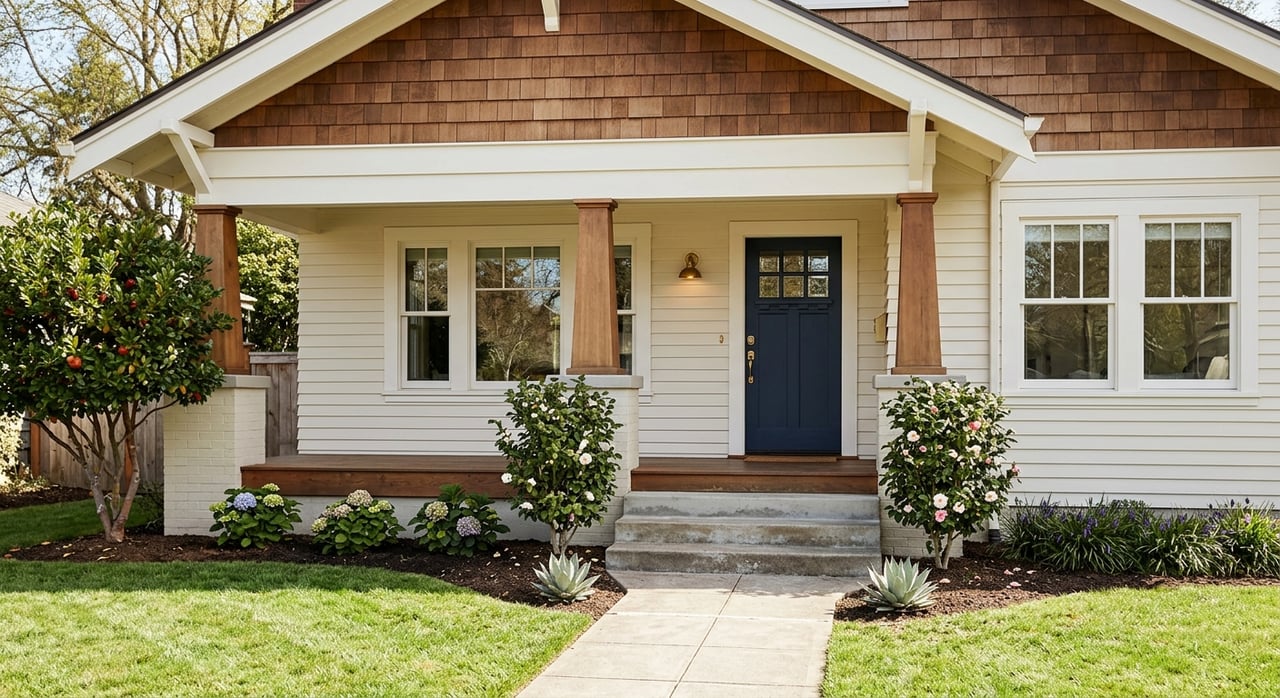
If you own a character home in South Pasadena, selling it is rarely as simple as fresh paint, a few repairs, and a sign in the yard. Older homes here often come with architectural details, permit history, disclosure issues, and in some cases historic review rules that can shape your timeline and strategy. When you understand those moving parts early, you can protect the home’s appeal, avoid preventable surprises, and present it with confidence. Let’s dive in.
Why South Pasadena character homes need a different plan
South Pasadena has a strong preservation framework, and that matters when you sell. According to the city, South Pasadena includes seven individual properties and two historic districts on the National Register, about 183 properties and two historic districts in the California Historical Resources Inventory, 59 designated local landmarks, and five locally designated historic districts through its preservation program and Cultural Heritage Ordinance. You can review that local context through the city’s historic recognition resources.
That means your home may be more than just “older.” It could be on the Historic Inventory, located in a designated district, or treated as a potential contributor to an area with preservation significance, which can affect how exterior work is reviewed by the city. South Pasadena’s building and preservation FAQ makes that especially important for sellers planning repairs before listing.
Confirm your home’s status early
Before you decide what to fix, update, or market, confirm what the city has on file for your property. South Pasadena offers helpful house research resources that can help you request building permit records, construction dates, and in some cases information about the contractor, architect, or prior owners.
Those records can be valuable in two ways. First, they help you understand whether past work was permitted. Second, they can strengthen your listing package by documenting the home’s history, original details, and long-term care.
What to gather before listing
A strong documentation file for a South Pasadena character home may include:
- Building permit records
- Original plans, blueprints, or site plans if available
- Repair and maintenance history
- Photos of original architectural details
- Any historic designation documents
- Any applicable Mills Act information
If your home has a story, buyers usually respond best when that story is supported by records, not guesswork.
Know what repairs may trigger city review
One of the biggest mistakes sellers make is starting exterior work without checking whether it needs approval. In South Pasadena, a Certificate of Appropriateness is required for proposed exterior alterations, new construction, and demolition affecting properties on the Inventory of Historic Resources, while painting and routine maintenance are exempt.
The city also notes that review can range from staff approval to a public hearing depending on the scope of work. That is why timing matters. If you plan to replace windows, change roofing materials, or make other visible exterior updates, you may need more lead time than you expected.
Low-impact prep vs. review-heavy changes
Based on the city’s FAQ, some pre-listing tasks are generally simpler than others.
Usually lower impact:
- Painting
- Landscaping
- Kitchen cabinet updates
- Floor replacement
- Routine maintenance
More likely to require added review or permits:
- New windows
- Different roofing materials
- Foundation retrofit work
- Many exterior alterations
In many cases, the smarter strategy is to focus on condition, cleanliness, maintenance, and presentation rather than making design changes that alter original materials or visible exterior elements.
Preserve the details that make buyers care
Character homes attract attention because of what makes them different. In South Pasadena, city design materials note that Craftsman bungalows line many residential streets, and the city’s guidance highlights features such as low-pitched gable roofs, wide eaves with exposed rafter tails, wood shingle or clapboard siding, front porches, grouped windows, heavy porch piers, and natural materials. Those details are worth preserving and showcasing.
The National Park Service guidance on historic properties also supports a practical rule for sellers: repair before replacing where possible, and keep alterations compatible with the original building. That approach is not just good preservation practice. It is often a better marketing strategy for a home whose value is tied to authenticity.
What to highlight in marketing
When your home has meaningful original details, your listing should make them easy to see and understand. Focus on:
- Architectural features that define the home’s style
- Materials that appear original or carefully preserved
- Porch, roofline, siding, and window details
- Thoughtful maintenance and documented repairs
- Any available history tied to construction or ownership
For character properties, strong photography and accurate descriptions matter. Buyers are not only evaluating square footage. They are responding to craftsmanship, design continuity, and how well the home has been cared for over time.
Get ahead of disclosures
Older homes usually require a more thoughtful disclosure process, and it is best to start before the property goes live. In California, the Real Estate Transfer Disclosure Statement applies to most transfers of one-to-four unit residential property. The form describes the property’s condition, and agents are also required to visually inspect the property and disclose readily observable defects.
If your South Pasadena home was built before 1978, lead-based paint rules are also a major issue. The EPA says sellers and agents must provide known lead-hazard information, available records and reports, the EPA lead pamphlet, and a 10-day opportunity for buyers to inspect or risk-assess unless that period is changed by written agreement. The EPA’s lead disclosure guidance for real estate also notes that older homes are more likely to contain lead-based paint.
For homes built before 1960, California’s earthquake safety guide says the seller must brace the water heater and provide the Residential Earthquake Risk Disclosure Statement, the Natural Hazard Disclosure Statement, and the guide itself. The same guide also makes clear that you do not have to open walls or complete seismic retrofits before selling in order to answer the disclosure questions.
Do not ignore unpermitted work
South Pasadena specifically states that known unpermitted construction must be disclosed. That can include older additions, garage work, roof changes, window replacements, or other alterations if they were done without permits.
This is one reason permit research matters so much before listing. If there is a question about past work, it is far better to identify it upfront than have it surface during escrow.
A pre-listing inspection can reduce surprises
In older character homes, buyers often come in expecting at least some age-related issues. What creates stress is not the existence of issues, but when they appear late and without context. A pre-listing inspection can help you understand what a buyer is likely to find and decide how to address it.
The American Society of Home Inspectors says many sellers use a pre-listing inspection and that it is often worth the money to learn the home’s condition ahead of time. Their guidance on common inspection deal breakers points to issues such as outdated wiring, roof problems, foundation concerns, lead paint, bad pipes, and sewer-line problems that can become negotiation flashpoints.
Common issues in older homes
Depending on the age and condition of your property, buyers may focus on:
- Older electrical systems
- Roof wear or leaks
- Foundation concerns
- Aging plumbing
- Sewer-line condition
- Lead-based paint concerns
- Potential asbestos in older materials
- Seismic items such as water heater bracing or foundation bolting
The EPA says if you want to know whether lead-based paint is present, you should consider a certified lead inspector or risk assessor. For asbestos, the EPA says damaged material or material that will be disturbed should be evaluated and handled by a trained and accredited asbestos professional.
A pre-listing inspection does not mean you must fix everything. It gives you the chance to decide what to repair, what to disclose, and how to price and position the home with fewer surprises.
Build a selling strategy around timing
For many South Pasadena sellers, timing matters as much as pricing. If your home needs exterior work that may require review, you will want to start earlier. If records need to be pulled, or older improvements need to be verified, that also takes time.
A thoughtful timeline often looks like this:
- Confirm historic or inventory status.
- Research permits and prior improvements.
- Identify any disclosure-sensitive issues.
- Decide whether a pre-listing inspection makes sense.
- Complete low-impact prep and maintenance.
- Prepare a documentation package for buyers.
- Launch with strong marketing that highlights the home’s character and condition.
This kind of preparation is especially important when a sale involves a trust, probate, or family transition. Clear records, organized disclosures, and a careful listing plan can make the process smoother for everyone involved.
Sell the home you have, not a generic remodel
The right way to sell a South Pasadena character home is not to strip away what makes it special. It is to understand the property, respect its architectural identity, prepare it thoughtfully, and present it clearly to the market.
When you do that, buyers can see both the charm and the substance behind it. If you want expert guidance on preparing, documenting, and marketing a character home in South Pasadena, Joy Realty Group offers thoughtful, high-touch listing support tailored to complex and distinctive properties.
FAQs
What makes a South Pasadena character home different from another older home?
- In South Pasadena, an older home may also be on the Historic Inventory, located in a historic district, or subject to added review for exterior changes, which can affect pre-sale planning.
Do South Pasadena historic homes have restrictions when you sell them?
- Historic status does not stop you from selling, but certain exterior alterations may require city review or a Certificate of Appropriateness before the work is done.
What disclosures are required when selling an older home in South Pasadena?
- Depending on the property, you may need the California Transfer Disclosure Statement, lead-based paint disclosures for pre-1978 homes, and earthquake-related disclosures and documents for homes built before 1960.
Should you get a pre-listing inspection for a South Pasadena character home?
- A pre-listing inspection can be helpful because it may reveal issues like wiring, roof, plumbing, foundation, or sewer concerns before they become buyer negotiation points.
Can you replace windows or change the roof before listing a South Pasadena historic property?
- Some visible exterior changes, including new windows or different roofing materials, may require added city review, so it is wise to confirm requirements before starting work.
What records should you gather before selling a South Pasadena character home?
- Helpful records include permit history, original plans if available, maintenance and repair records, photos of original features, and any historic designation or Mills Act documents that apply.